Grower success and co-op strength in action
Opinion piece by CBH Group Chair Simon Stead
Western Australian grain growers have once again demonstrated the strength and scale of our industry. This season, growers delivered more than 24.1 million tonnes (mt) into the CBH network. In a single generation of farming, WA has more than doubled its productive capacity. Few sectors, anywhere in Australia, can claim that level of consistent performance.
Over the past five years alone, growers have delivered over 100mt, around 30mt more than the previous five years. Where a 14mt harvest was once considered ‘big’, 20mt has now become the norm.
The scale and pace of this harvest were remarkable. All zones set new total records; over the 112 sites opened, 45 sites broke daily receival records, and 44 posted their biggest season ever. Across the network, there were 18 days with daily deliveries above 500,000 tonnes, nine days above 600,000 tonnes, and a single-day record of over 680,000 tonnes – momentum that was once rare statewide. From the 3rd to the 5th of December, we received a total of 2mt. What once took a week to deliver can now be achieved in three days.
To support this kind of productivity, the co-operative has had to evolve. The truth is that during much of the 2000s and early 2010s, capital investment across the network sat at modest levels, often below $150 million per year, and in some years, net spend was reduced to pay rebates. Those were years focussed on cost control, and with the benefit of hindsight, there was underinvestment in the network. However, they were also years when crops were smaller and the pressures on out-loading and logistics were far less.
As the crop has grown, the investment profile has had to grow with it. After 2020, CBH began steadily lifting annual capital investment in line with the Path to 2033 Strategy: a strategic, sustained commitment in the range of $400–$600 million per year to maintain and build the network that can accommodate for the bigger harvests.
The shift has been deliberate. It reflects the demands of larger crops, the expectations of growers, and the commitments of our Strategy. It is also evidence of a co-op modernising its infrastructure and supply chain to meet the realities of a new era.
Over the past five financial years alone, the co-op has invested more than $2 billion in the network to keep pace with growers’ rising productivity.
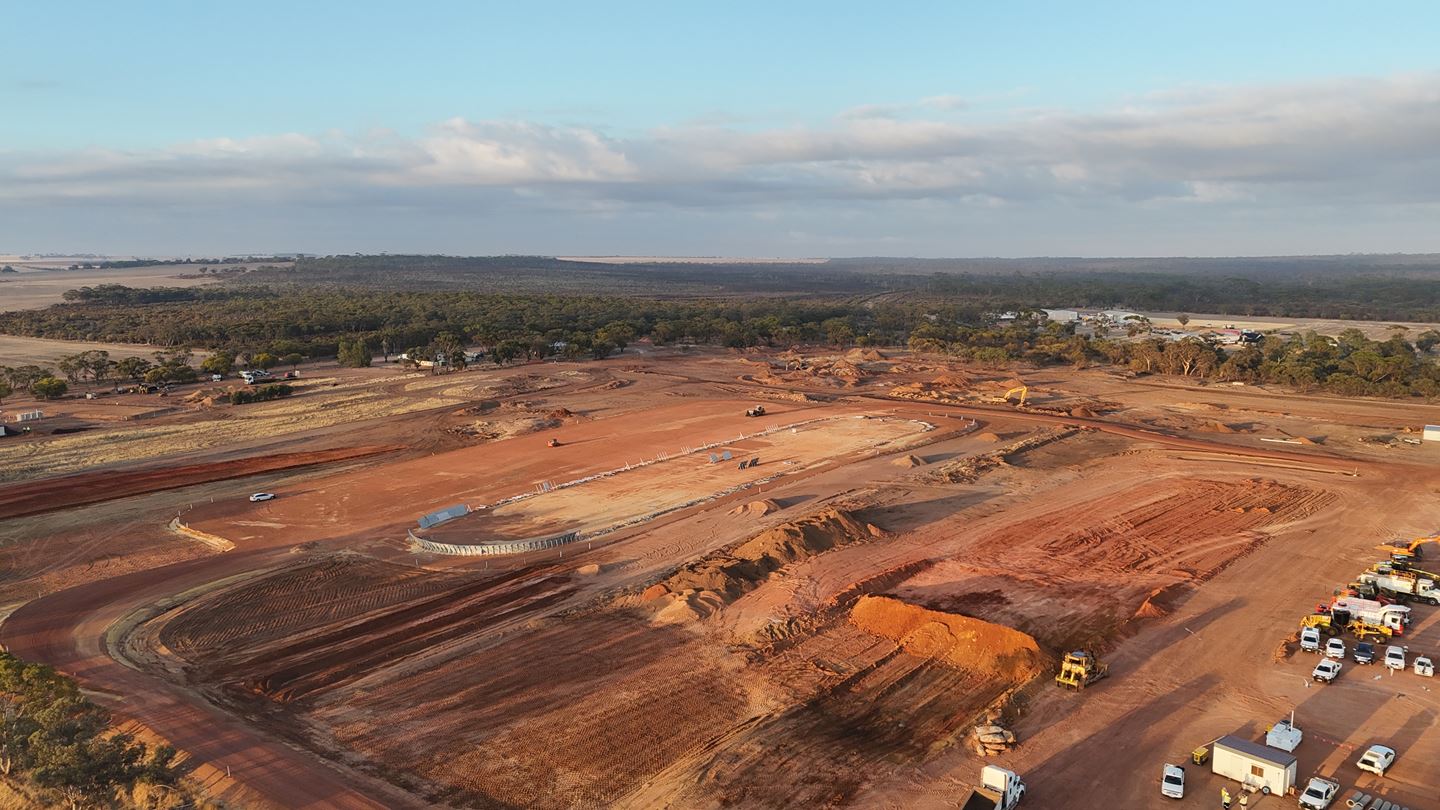
In FY25, CBH invested $590 million in the network, delivering almost 2mt of new storage, commissioning over 500 new rail wagons, expanding rapid rail outloading facilities and completing critical port upgrades. These investments matter: last year, more than 16mt of grain were stored under tarp alone, highlighting both the opportunity (and the pressure) created by bigger crops. The work now underway across Kwinana, Geraldton, Albany and Esperance zones is establishing the capacity required for WA’s future.
These are big statistics but the message behind them is straightforward: WA growers are becoming more productive than ever, and your co operative is keeping pace and putting its strategy into action. Our focus remains constant: to safely receive your grain, preserve its quality, and connect WA growers with customers from around the world.
This is the strength of the co operative. CBH exists for growers — not just this season, but over generations. When we generate a surplus, it stays in Western Australia: reinvested in the network through storage and logistical firepower, channelled into regional communities through sustaining capital, building capacity and providing value to members.
It is worthwhile to acknowledge though, that at a moment when growers and their co-operative should be celebrating extraordinary achievement, public discussion has at times been diverted toward corporatisation. It is disappointing that, at a time when the industry should be recognising the strength of the co-op system that generations of growers have built, the conversation has instead turned to selling out the very supply chain that underpins WA’s productivity and global reputation. As Australia’s largest co-operative, CBH is proud of its long history of creating value for WA growers and remains firmly committed to protecting and strengthening that model. This debate risks distracting from the real story: what growers have achieved, and what the system they own makes possible.
Looking ahead, the focus is on the future. Our job now is to convert this record crop into timely outturns and sustained value for growers and regional WA. The 2026 shipping program is progressing strongly, with marketers securing record export capacity and strong early season performance across all four ports. Since 1 October 2025, the supply chain has already outturned about 7 million tonnes, demonstrating the pace, co-ordination and capability of the network growers own.
I encourage growers to attend our Member Forum, AGM and Sundowner on 27 February, where you can hear directly from the Board and management, ask questions about the co op’s direction, and see how we are preparing to support WA growers for the long term.
None of this is possible without successful growers: success built on years of hard work and consistency. The calculated risks, the resilience and desire to improve from the early mornings, the decisions on seed and timing, the teamwork behind every pass over the paddock to every truck load leaving the farm. This is mirrored in the commitment of CBH people across the network, who prepared months in advance and kept the system moving safely at record pace.
This harvest will be remembered as a milestone. But what matters most is what we do next: sustaining momentum, strengthening performance and continuing to deliver for the growers who own and shape this remarkable co-operative.
Other news
-
Harvest Reports 2025/26 15/12/2025
-
CBH gears up for big harvest with future-focused strategy 22/10/2025

-
First batch of new grain hopper wagons arrive 23/12/2024
-
New rapid rail outloading facility coming to Moora 05/07/2021

-
Corrigin expansion commences 14/04/2025